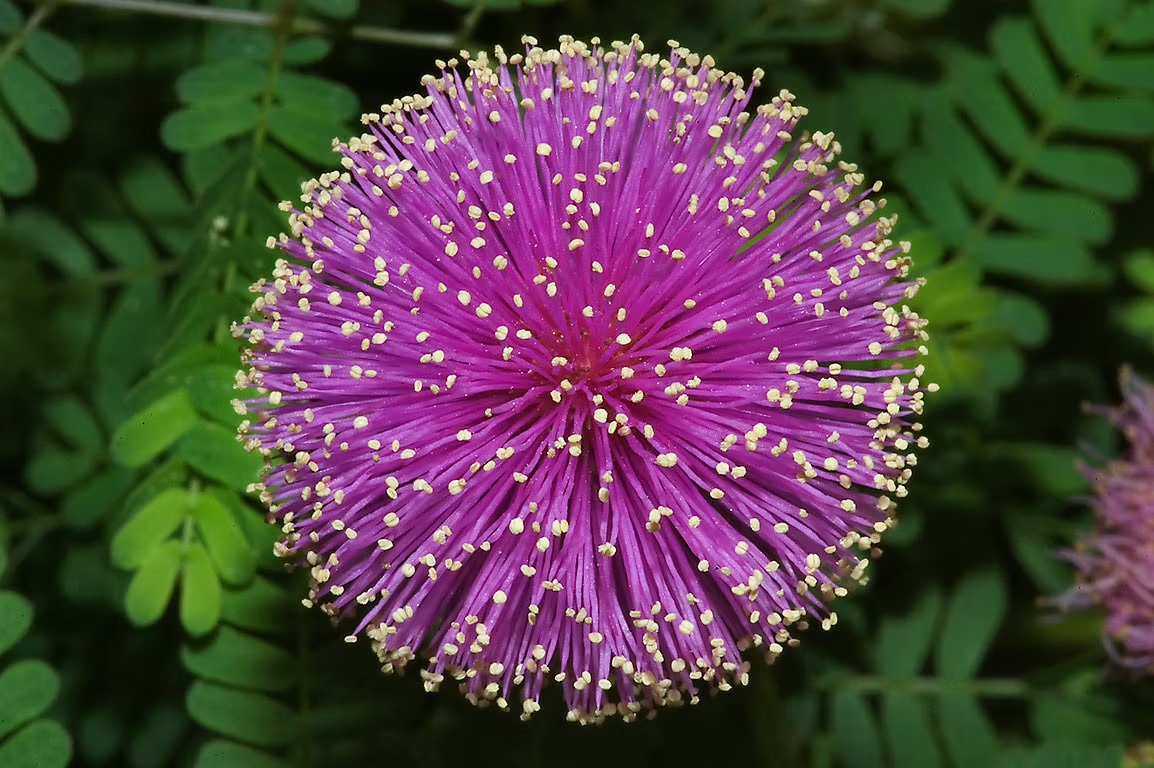
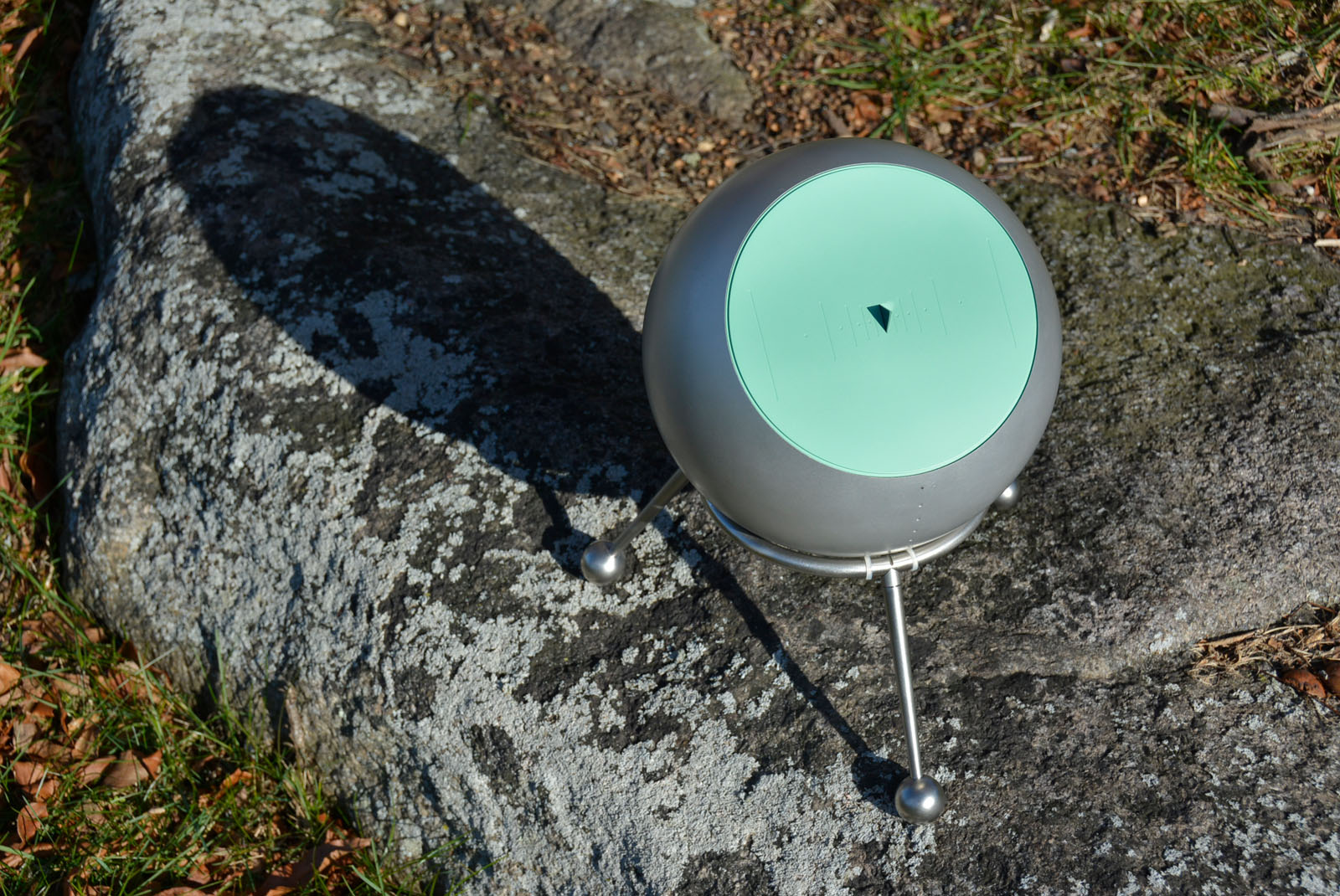
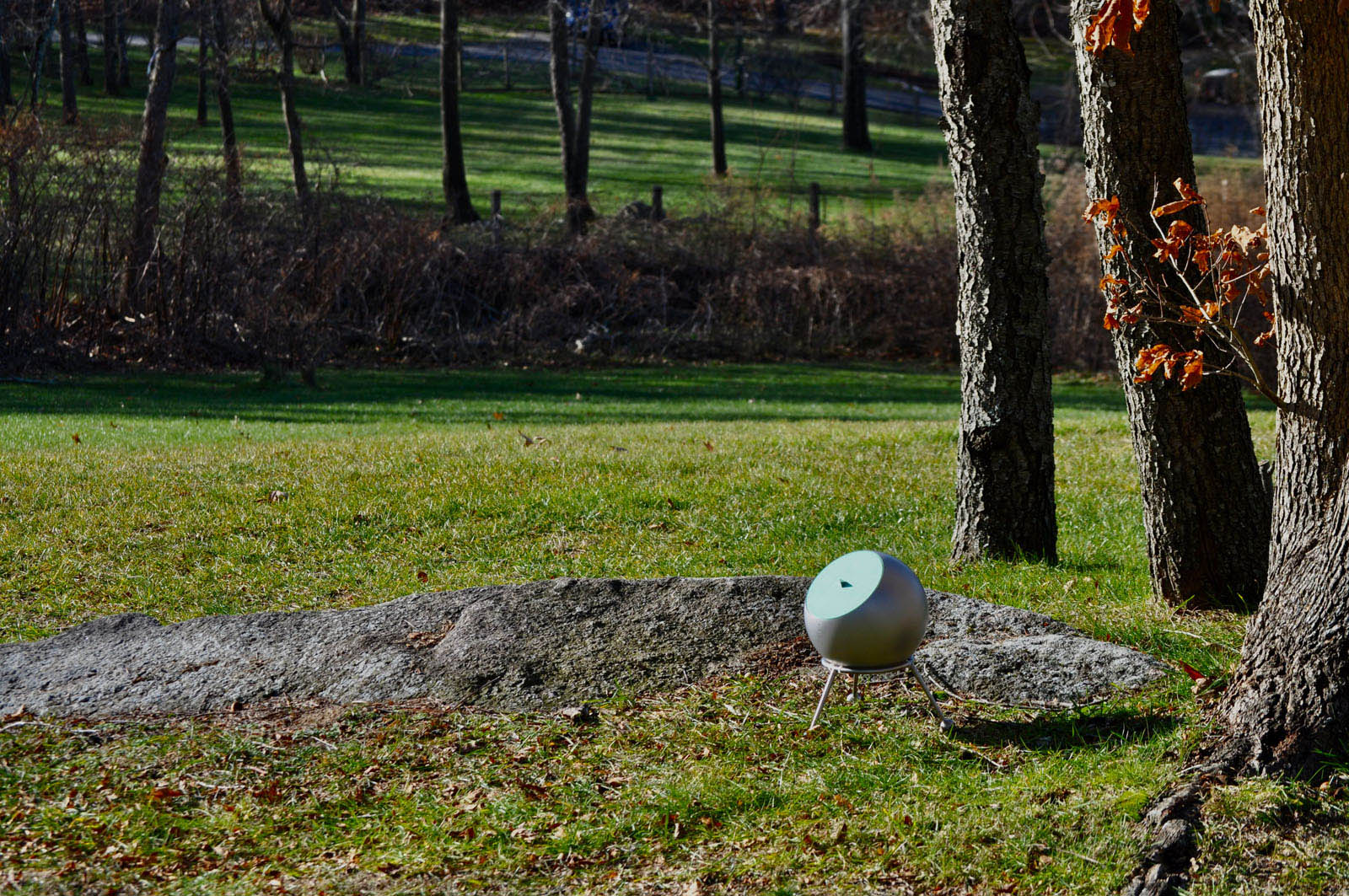
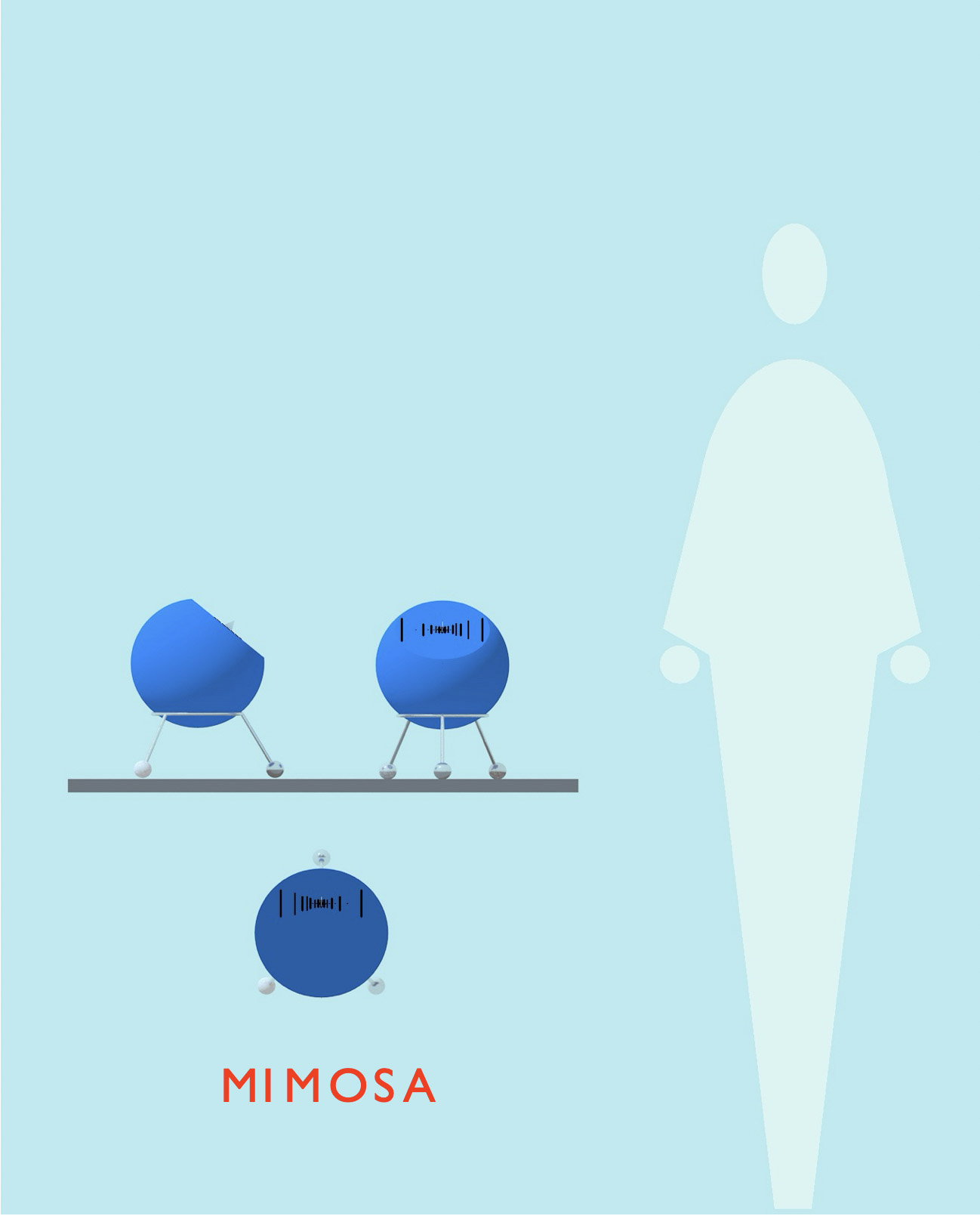
In 1729, astronomer Jean-Jacques d'Ortous de Mairan sought to understand how the mimosa (Mimosa pudica) orchestrated the timing of its open/close behavior. After sealing the flower in a dark box with a controlled temperature, he observed that it opened and closed right on its regular schedule. Mairan demonstrated that the mimosa had an internal clock, now known as a circadian clock. Today’s scientific consensus accepts that all living creatures, including plants, animals, and humans, are guided by internal circadian clocks.